

What Are the African Safari Big 5 in Uganda?
What Are the African Safari Big 5? A Uganda-Focused Guide
When people ask what are the African safari Big 5, they’re referring to five iconic animals that have shaped the history, excitement, and reputation of African safaris for generations. These animals are the African elephant, African lion, African leopard, African buffalo, and African rhinoceros. While the term originated during early big-game hunting days, today it represents the most sought-after wildlife sightings on photographic safaris — especially in destinations like Uganda.
Uganda may not always be the first country mentioned in Big 5 conversations, yet it quietly delivers one of the most rewarding and less crowded Big 5 experiences in Africa. Understanding what are the African safari Big 5 through a Ugandan lens gives travelers a deeper appreciation of how these animals live, move, and interact within diverse ecosystems that range from savannah plains to riverbanks and protected sanctuaries.
Unlike destinations dominated by endless open grasslands, Uganda’s Big 5 experience is layered and dynamic. You might encounter elephants crossing forested roads, lions resting in fig trees, or buffalo herds moving through wetlands. The question of what are the African safari Big 5 becomes more than a checklist — it turns into an exploration of how these animals coexist within Uganda’s varied landscapes.
For travelers seeking meaningful wildlife encounters, Uganda offers a refreshing alternative. The sightings feel personal, the environments feel raw, and the pace allows you to truly absorb what makes the African safari Big 5 so special. This is exactly why Uganda continues to grow in popularity among experienced safari-goers who want depth, not crowds.
Why the African Safari Big 5 Matter
To fully understand what are the African safari Big 5, it helps to know why these animals became legendary in the first place. Historically, they were considered the most difficult and dangerous animals to hunt on foot. Today, the meaning has shifted completely — they symbolize conservation success, ecological importance, and the ultimate wildlife safari goal.
Each of the African safari Big 5 plays a critical role in maintaining ecosystem balance. Elephants shape landscapes by clearing vegetation. Lions regulate herbivore populations. Leopards control smaller predators. Buffalo influence grazing patterns. Rhinos help maintain grassland health. When you understand this, the question of what are the African safari Big 5 becomes less about prestige and more about environmental harmony.
In Uganda, these animals are protected within well-managed national parks and sanctuaries. Uganda’s conservation efforts, especially for rhinos, demonstrate how tourism directly supports wildlife recovery. Visitors learning what are the African safari Big 5 gain insight into how responsible travel helps fund ranger patrols, veterinary care, and habitat protection.
Seeing the African safari Big 5 in Uganda also feels more intimate. The parks are less congested, guides spend more time explaining animal behavior, and sightings unfold naturally rather than feeling staged. This deeper connection is what transforms curiosity into respect — and respect into unforgettable memories.
A Brief History Behind the African Safari Big 5
The term “Big 5” did not originate from tourism, photography, or conservation. It came from early 19th-century big-game hunters who classified animals based on how dangerous they were to hunt on foot. This history explains why people still ask, what are the African safari Big 5, even though the context has changed completely.
Over time, as hunting declined and conservation gained importance, the meaning evolved. Today, the African safari Big 5 represent Africa’s most iconic wildlife species — animals that travelers dream of seeing, photographing, and learning about. In modern Uganda, the focus is entirely on protection, education, and sustainable tourism.
Understanding this shift adds depth to the experience. When travelers learn what are the African safari Big 5, they’re not celebrating the past — they’re participating in a future that prioritizes wildlife survival. Uganda’s parks and sanctuaries are living examples of this transformation, especially with the successful reintroduction of rhinos.
This history also explains why Big 5 safaris remain so popular. They connect travelers to Africa’s past while actively supporting its future. In Uganda, this balance feels especially meaningful because conservation stories are still being written.
The African Safari Big 5 in Uganda: Overview
So, what are the African safari Big 5 in the context of Uganda specifically? Uganda offers all five — but in slightly different ways compared to other safari countries.
- Elephant: Found in multiple national parks
- Lion: Including the famous tree-climbing lions
- Leopard: Present but elusive
- Buffalo: Widespread and abundant
- Rhino: Protected within Ziwa Rhino Sanctuary
This setup makes Uganda unique. Instead of spotting all Big 5 in one single park, Uganda safari itineraries are thoughtfully designed to cover different habitats. This adds depth and variety to the journey, rather than turning it into a rushed checklist.
Learning what are the African safari Big 5 in Uganda also means understanding patience and timing. Leopards, for example, require skilled guides and quiet observation. Rhinos are tracked on foot, creating one of the most powerful wildlife encounters available anywhere in Africa.
Uganda’s approach makes the Big 5 experience educational, immersive, and deeply rewarding — especially for travelers who want more than surface-level sightings.
African Elephant: The Giant of Uganda’s Savannahs
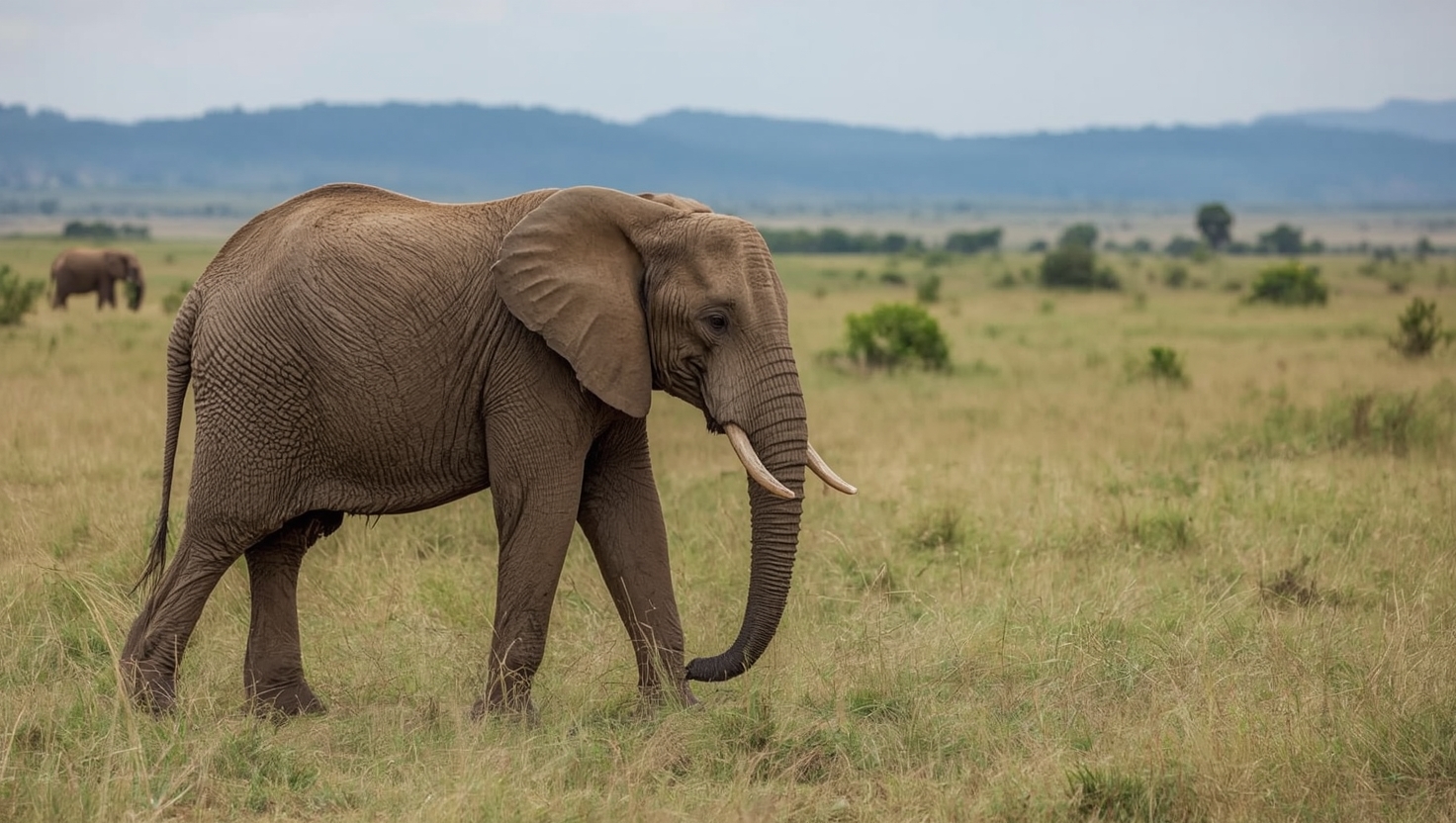
The African elephant is often the first answer when people ask what are the African safari Big 5, and in Uganda, these giants are among the most memorable wildlife encounters. Elephants roam freely in Murchison Falls National Park, Queen Elizabeth National Park, and Kidepo Valley National Park.
Uganda’s elephants are known for their calm behavior and impressive size. Watching a herd cross the road, interact at a water source, or bathe along a riverbank is both humbling and awe-inspiring. These moments capture why the African safari Big 5 hold such emotional power.
Elephants in Uganda also highlight the importance of conservation corridors. Their movement patterns influence entire ecosystems, and protecting their routes ensures long-term survival. Guides often explain this during game drives, turning sightings into learning experiences.
For many travelers, elephants become the emotional anchor of the safari — the moment when the concept of what are the African safari Big 5 becomes real, tangible, and unforgettable.
African Lion: Uganda’s Tree-Climbing Icon
When people ask what are the African safari Big 5, the African lion is often the animal that captures the imagination first. In Uganda, lions are not only present — they are uniquely fascinating. The country is famous for its rare tree-climbing lions, found mainly in the Ishasha sector of Queen Elizabeth National Park. This behavior is unusual across Africa and makes Uganda a standout destination for Big 5 enthusiasts.
These lions climb large fig trees to escape insects, enjoy cooler breezes, and gain a vantage point over the surrounding savannah. Watching a full-grown lion draped across thick branches is both surreal and thrilling. Uganda safari guides are particularly skilled at tracking these lions, using experience and knowledge of territories to increase sighting chances without disturbing the animals.
Understanding what are the African safari Big 5 through Uganda’s lions means appreciating their role as apex predators. Lions regulate herbivore populations, maintaining balance across the ecosystem. In Uganda’s parks, they coexist with buffalo, antelope, and elephants in landscapes shaped by volcanic craters and wetlands.
Unlike busier safari destinations, lion sightings in Uganda feel calm and unhurried. Vehicles are fewer, silence is respected, and guides allow guests to observe natural behavior. This intimate experience transforms the idea of what are the African safari Big 5 from a concept into a deeply personal moment in the wild.
African Leopard: Uganda’s Most Elusive Big Cat
The African leopard completes the trio of big cats within the African safari Big 5 and is often the most difficult to spot. When travelers ask what are the African safari Big 5, the leopard is usually described as the rarest sighting — and Uganda is no exception. However, with patience, skilled guides, and a bit of luck, Uganda offers rewarding leopard encounters.
Leopards are found in Murchison Falls National Park, Queen Elizabeth National Park, and Kidepo Valley National Park. They are mostly nocturnal and highly territorial, which means sightings often happen during early morning or late evening game drives. Uganda safari guides use knowledge of tracks, prey behavior, and terrain to locate these secretive cats.
Seeing a leopard in the wild is a powerful reminder of why the African safari Big 5 are so revered. Leopards move with quiet confidence, blending seamlessly into trees and rocky outcrops. Their camouflage, strength, and independence make them symbols of survival and adaptability.
Understanding what are the African safari Big 5 becomes more meaningful when you realize that some encounters cannot be rushed. Uganda’s slower-paced safaris reward patience, turning a single leopard sighting into one of the most memorable moments of the entire journey.
African Buffalo: The Most Dangerous of the Big 5
The African buffalo is often underestimated when people ask what are the African safari Big 5, yet it is considered the most dangerous of them all. In Uganda, buffalo are widespread, highly visible, and impressive in both number and presence.
Large herds roam Queen Elizabeth National Park, Murchison Falls National Park, and Kidepo Valley National Park. Uganda safari tours frequently encounter hundreds of buffalo grazing together, creating dramatic scenes that reflect raw African wilderness. These animals are unpredictable and fiercely protective, which is why guides always keep a safe distance.
Buffalo play an essential ecological role. Their grazing patterns shape vegetation growth, supporting other species across the savannah. In Uganda, they are often seen alongside elephants, antelope, and waterbirds, especially near rivers and wetlands.
Learning what are the African safari Big 5 through the lens of the buffalo highlights why respect and caution are essential on safari. Buffalo sightings may seem common, but their sheer power and attitude command attention — a reminder that the wild still rules here.
White Rhino: Completing the African Safari Big 5 in Uganda
For many travelers, the question what are the African safari Big 5 isn’t complete without understanding how Uganda protects its rhinos. While rhinos were once extinct in the country due to poaching, they have made a remarkable comeback through conservation efforts at Ziwa Rhino Sanctuary.
Ziwa is the only place in Uganda where you can see white rhinos, and the experience is unlike any other Big 5 encounter. Visitors track rhinos on foot, accompanied by armed rangers and professional guides. This close, respectful encounter offers a powerful conservation lesson and completes the Big 5 list within Uganda safari itineraries.
The sanctuary plays a crucial role in Uganda’s long-term goal of reintroducing rhinos into national parks. Tourism directly funds ranger protection, breeding programs, and habitat expansion. Understanding what are the African safari Big 5 through rhino conservation gives the experience deeper meaning.
Seeing a rhino on foot often becomes one of the most emotional moments of the safari — quiet, humbling, and unforgettable.
Where to See the African Safari Big 5 in Uganda
Understanding what are the African safari Big 5 also means knowing where to find them. Uganda’s Big 5 are spread across several carefully protected locations, each offering a unique environment:
- Murchison Falls National Park: Elephants, lions, leopards, buffalo
- Queen Elizabeth National Park: Elephants, lions, leopards, buffalo
- Kidepo Valley National Park: Elephants, lions, leopards, buffalo
- Ziwa Rhino Sanctuary: White rhinos
Rather than limiting wildlife to one overcrowded park, Uganda’s approach spreads tourism benefits across regions. This makes Uganda safari itineraries more scenic, diverse, and immersive.
With skilled planning, travelers can comfortably experience all five species within a single journey. Uganda’s manageable distances and growing safari infrastructure make this possible without rushing.
Best Uganda Safari Tours for the Big 5
When travelers ask what are the African safari Big 5 and how to see them in Uganda, the next logical question is how to choose the right safari. Uganda safari tours designed around the Big 5 require thoughtful routing, experienced guides, and realistic timing. Unlike destinations where all five animals are found in one park, Uganda offers a more layered experience that rewards good planning.
The most effective Uganda safari tours for the Big 5 usually combine Murchison Falls National Park, Queen Elizabeth National Park, and Ziwa Rhino Sanctuary. This combination allows travelers to encounter elephants, lions, leopards, and buffalo in the wild, then complete the Big 5 experience with rhino tracking on foot. This approach turns the question of what are the African safari Big 5 into a complete, well-rounded journey rather than a rushed checklist.
A typical Big 5-focused safari includes early morning and late afternoon game drives, when predators are most active. Boat safaris along the Nile or Kazinga Channel are also included, adding variety and increasing wildlife sightings. Experienced guides are essential here — they read animal behavior, track movements, and know the best times and locations for sightings.
Uganda safari tours that focus on the Big 5 are best done over 6–10 days, allowing time to explore each park properly. Rushing through parks reduces the quality of sightings and the overall experience. The best itineraries balance wildlife viewing with rest, scenic drives, and cultural interactions, ensuring the safari remains enjoyable from start to finish.
Luxury and Mid-Range Options for Big 5 Safaris in Uganda
Understanding what are the African safari Big 5 doesn’t mean the experience has to be the same for everyone. Uganda offers a wide range of accommodation styles, making Big 5 safaris accessible to different travel preferences while maintaining high standards.
Luxury options feature spacious rooms, private decks, fine dining, and exceptional service. These lodges are often located in prime wildlife areas, allowing guests to enjoy sightings directly from their accommodation. After long game drives, returning to comfort enhances the safari experience without disconnecting you from nature.
Mid-range options provide excellent value and comfort, with well-maintained rooms, knowledgeable staff, and great locations. Many travelers choose this option for longer Uganda safari tours, as it balances cost with quality. These lodges still offer guided activities, hearty meals, and comfortable amenities.
Regardless of budget, the quality of guiding remains the most important factor. Skilled guides transform sightings into stories, explaining animal behavior and ecosystem dynamics. This is where Uganda safari tours truly shine — the learning experience is just as rewarding as the wildlife itself.
Best Time to See the African Safari Big 5 in Uganda
Timing plays a key role in answering the question what are the African safari Big 5 and how likely you are to see them. Uganda is a year-round safari destination, but certain seasons offer better conditions for Big 5 sightings.
The dry seasons — from June to August and December to February — are considered the best times for Uganda safari tours. During these months, vegetation is thinner, animals gather near water sources, and roads are easier to navigate. Predator sightings are more frequent, and tracking conditions are improved.
The wet seasons bring lush scenery and fewer tourists. While some roads may be muddy, wildlife viewing remains strong, especially in parks like Murchison Falls. For travelers who value privacy and photography, the wet season can be surprisingly rewarding.
Gorilla trekking can be combined with Big 5 safaris year-round, making Uganda unique. This flexibility allows travelers to plan Uganda safari tours based on personal schedules rather than strict seasonal windows.
Safety and Conservation of the African Safari Big 5
Learning what are the African safari Big 5 also means understanding the responsibility that comes with seeing them. Uganda has strict conservation laws and safari regulations designed to protect wildlife and visitors alike.
All national parks enforce rules regarding vehicle distance, off-road driving, and visitor behavior. Rangers and guides undergo extensive training, ensuring safe and respectful wildlife encounters. Uganda safari tours operate under these guidelines, creating a controlled yet natural experience.
Conservation efforts in Uganda are particularly visible with rhinos. Ziwa Rhino Sanctuary stands as a model for successful wildlife recovery through tourism support. Entry fees and guided experiences directly fund protection and breeding programs.
By choosing regulated Uganda safari tours, travelers actively contribute to conservation. Each sighting of the African safari Big 5 becomes part of a larger story — one of protection, education, and sustainability.
How Globetrotters Safari Designs Big 5 Experiences in Uganda
Designing a safari focused on answering what are the African safari Big 5 requires deep local knowledge and careful coordination. Globetrotters Safari approaches this by creating itineraries that balance wildlife density, travel time, and guest comfort.
Routes are designed to avoid unnecessary backtracking while maximizing time in prime wildlife areas. Rhino tracking is scheduled early in the itinerary, while predator-heavy parks are visited during optimal game viewing hours. Professional guides handle logistics, park access, and wildlife interpretation, allowing travelers to focus fully on the experience.
Rather than chasing sightings, the emphasis is on quality moments — observing natural behavior, understanding ecosystems, and enjoying the rhythm of the wild. This thoughtful approach ensures that encounters with the African safari Big 5 feel meaningful and unrushed.
Conclusion: Experiencing the African Safari Big 5 in Uganda
So, what are the African safari Big 5 in the context of Uganda? They are more than animals — they are symbols of conservation success, ecological balance, and Africa’s enduring wilderness. Uganda offers a Big 5 experience that is authentic, educational, and refreshingly uncrowded.
From tracking rhinos on foot to watching lions rest in trees and elephants roam riverbanks, Uganda delivers unforgettable encounters shaped by nature, not spectacle. The journey is immersive, patient, and deeply rewarding.
For travelers seeking depth, diversity, and genuine wildlife experiences, Uganda stands proudly among Africa’s top Big 5 destinations.
FAQs: What Are the African Safari Big 5?
1. What exactly are the African safari Big 5?
They are the African elephant, lion, leopard, buffalo, and rhinoceros.
2. Can I see all the African safari Big 5 in Uganda?
Yes. Uganda offers all five, with rhinos seen at Ziwa Rhino Sanctuary.
3. Which park is best for the Big 5 in Uganda?
Murchison Falls and Queen Elizabeth National Parks are the top choices, combined with Ziwa.
4. Are Big 5 safaris in Uganda crowded?
No. Uganda’s parks are less crowded compared to other safari destinations.
5. How long does a Big 5 safari in Uganda take?
Most Uganda safari tours need 6–10 days to comfortably cover all Big 5 locations.